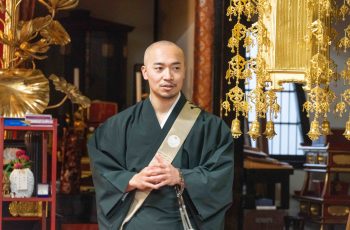
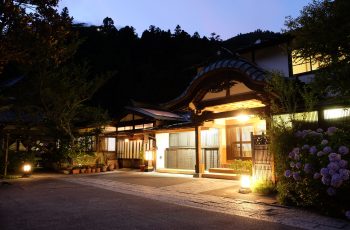
Chanting is a traditional Nichiren Buddhist practice that involves chanting the mantra “Namu Myoho Renge Kyo.” At Kakurinbo, you can meditate and feel the Buddhist spirit by joining your hands together and repeating the mantra in the main hall, whether alone or with others.
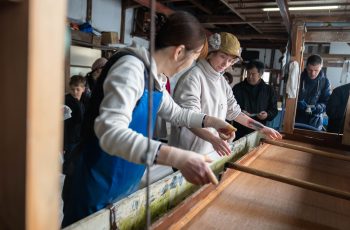
Make Nishijima paper, a specialty of Minobu Town. Use the paper to write down any words that come to mind. In this calligraphy activity, you can create a one-of-a-kind hanging scroll to take home.
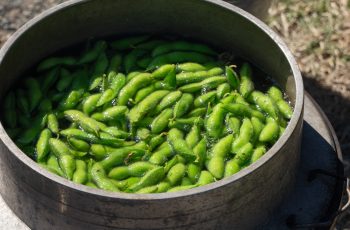
You can harvest Akebono soybeans (Geographical Indication), a specialty of Minobu Town, in the field, boil them in a pot and taste them.
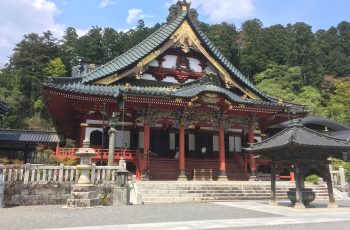
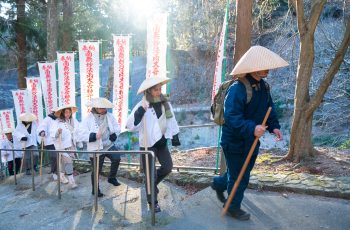
Kuon-ji Temple on Mt. Minobu, founded during the Kamakura period as the head temple of the Nichiren sect, is a sacred place of faith and history. The magnificent main hall and five-story pagoda that stand still among the cedar groves, as well as the majestic atmosphere that awaits after climbing the 287 stone steps, soothe the souls of all who visit. The temple’s changing seasonal landscapes are captivating with weeping cherry blossoms in spring and colorful foliage in autumn. You can experience local spiritual culture through morning services and copying sutras.
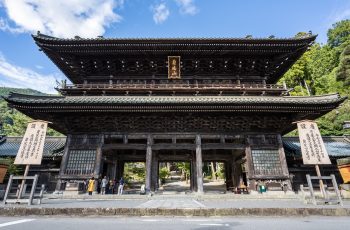
The Mausoleum is a sacred site built where Saint Nichiren spent his final years and was cremated. Many believers still visit to pray. Surrounded by a deep forest, the tranquil space exudes a sacred and special atmosphere. The Sanmon Gate, the main gate of Kuon-ji Temple, is a majestic wooden structure rebuilt during the Edo period, standing approximately twenty-one meters tall. Its imposing appearance invites visitors into a world beyond the ordinary.
Located at the summit of Mount Minobu, the Inner Sanctuary of Shishinkaku is a sacred place where Saint Nichiren prayed in memory of his parents back home. Located at an altitude of 1,153 meters, the summit is easily accessible by ropeway. On clear days, you can see majestic Mt. Fuji directly in front of you from the temple grounds. The breathtaking sight will touch the hearts of everyone who visits. This special place symbolizes Minobu, where nature, faith and views come together as one.
The temple offers a Buddhist multi-course vegetarian meal that generously uses bean curd skin dishes from Kakurinbo, the sacred site of Nichicho Shonin (the founder of the Mt. Minobu revival), Minobu bean curd skin, and GI (Geographical Indication) certified Akebono soybeans as well as temple lunches that utilize local resources.
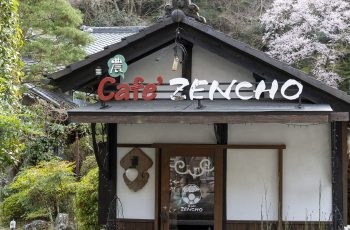
ZENCHO Farm Cafe This cafe in a traditional old house on the site of the area’s only sake brewery was certified by the Agency for Cultural Affairs as serving food that has been enjoyed for over one hundred years. The specialties include hoto flat noodles, sweets, and drinks made with local ingredients.
Bean curd skin, a specialty of Minobu Town, is made by hand from early in the morning. At this facility, guests can also make their own bean curd skin, with a recipe that has been passed down for many years as a valuable source of protein in Buddhist vegetarian cuisine.
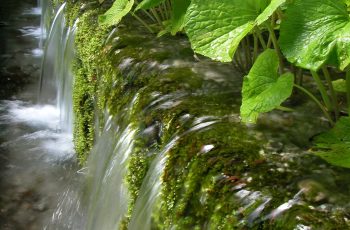
The water wasabi cultivation areas in the Izu region spread along the streams of the Amagi mountain range, with its highest peak at Mount Amagi standing at 1,406 meters. The water in this region is derived from rainwater that has percolated through layers of pumice and quartz andesite, volcanic deposits that provide an optimal balance of water volume, temperature, and nutrients for wasabi cultivation. The traditional farming method known as “tatami-ishi style wasabi fields,” which started in the Meiji era, has been recognized as a Globally Important Agricultural Heritage System. As the largest producer in Shizuoka Prefecture, the region consistently wins awards such as the Minister of Agriculture, Forestry and Fisheries Prize and the Director-General of the Forestry Agency Prize, ensuring its status as one of the top-quality producers in Japan. The wasabi from this region is distributed almost nationwide, including the Kanto, Chubu, and Kansai regions, and is renowned for its high profile and esteemed by chefs for its exceptional quality.