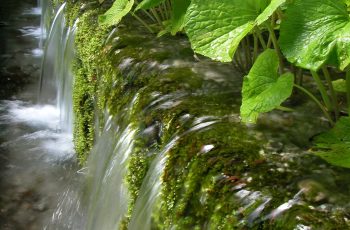
The water wasabi cultivation areas in the Izu region spread along the streams of the Amagi mountain range, with its highest peak at Mount Amagi standing at 1,406 meters. The water in this region is derived from rainwater that has percolated through layers of pumice and quartz andesite, volcanic deposits that provide an optimal balance of water volume, temperature, and nutrients for wasabi cultivation. The traditional farming method known as “tatami-ishi style wasabi fields,” which started in the Meiji era, has been recognized as a Globally Important Agricultural Heritage System. As the largest producer in Shizuoka Prefecture, the region consistently wins awards such as the Minister of Agriculture, Forestry and Fisheries Prize and the Director-General of the Forestry Agency Prize, ensuring its status as one of the top-quality producers in Japan. The wasabi from this region is distributed almost nationwide, including the Kanto, Chubu, and Kansai regions, and is renowned for its high profile and esteemed by chefs for its exceptional quality.
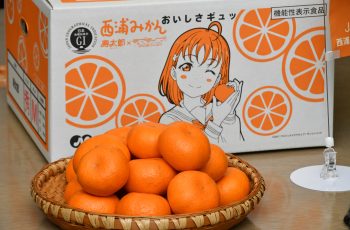
The Nishiura mikan, representing the eastern part of Shizuoka Prefecture, is cultivated in the Nishiura, Uchiura, and Shizuura areas of Numazu City. Among them, “Jutaro Unshu” was discovered by Mr. Jutaro Yamada in Nishiura, Numazu City, in 1975 as a bud mutation of “Aoshima Unshu.” Jutaro mikan are harvested in December and then stored for about two months, which increases their sugar content and flavor, and they are shipped to markets from February to March. Jutaro mikan have gained additional fame for appearing in the popular anime “Love Live! Sunshine!!” and are also shipped in limited quantities in original design cardboard boxes featuring the main character Chika Takami.
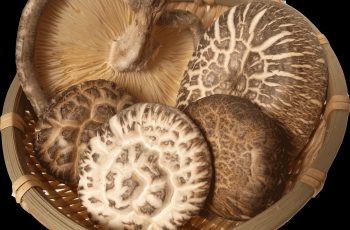
In Izu City, high-quality shiitake mushrooms have traditionally been produced through log cultivation. Log-grown shiitake mushrooms are thick and rich in flavor and aroma, with dried shiitake mushrooms consistently winning awards at national evaluation contests. There is also a record stating that the artificial cultivation of log-grown shiitake mushrooms was first conducted in Japan by Seisuke Ishiwata in the Monnohara area (now the Yugashima district of Izu City) in the first year of the Kanpo era. To ensure safety and trust, these mushrooms are named “Seisuke Shiitake” after Seisuke Ishiwata, and the highest quality mushrooms are branded as “Seisuke Donko.”
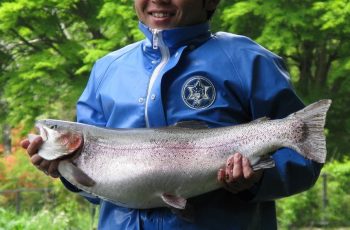
In Fujinomiya City, where the spring water from Mount Fuji is abundant, rainbow trout farming is thriving, and the city boasts the highest production volume in Japan. In 2009, rainbow trout was designated as the “city fish,” becoming an important resource for Fujinomiya City. Among the diverse and high-quality agricultural, forestry, and fishery products of Shizuoka Prefecture, the “Premium Rainbow Trout Akafuji” rainbow trout, which has been certified under the “Shizuoka Food Selection” standards that recognize products with value and features worthy of pride both nationally and internationally, is produced as a large brand-name trout by the Fuji Trout Fisheries Cooperative Association. These fish are grown over two to three years without spawning until they reach a body weight of over 2 kg, resulting in a superior taste that has earned high acclaim.
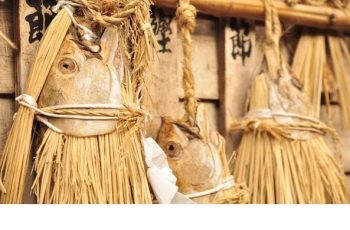
Also known as “Shogatsu Uo” (New Year’s Fish), Shio Katsuo is a traditional preserved food offered on the New Year’s shrine altar as part of the festivities. It is made in Tagokura, Nishi Izu Town, based on the ancient and simple method of fish salting, which is also the origin of dried fish. While salted bonito used to be produced throughout Japan, it is now only made in the Tagokura area of Nishi Izu Town. The production of Shio Katsuo begins in early winter; fresh bonito is gutted, then immersed whole in salt for about two weeks, and subsequently exposed to the unique westerly winds of Nishi Izu during winter for about three weeks to dehydrate and mature. It is characteristically salty and offers a delicious umami flavor that becomes addictive even in small amounts.
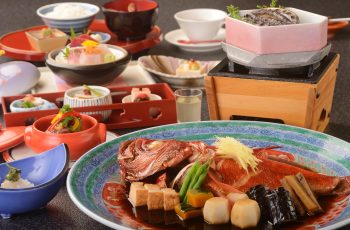
The splendid alfonsino, a bright red fish representative of the Izu region, gets its name from its large, golden eyes that shine brightly, allowing it to search for food even in the deep sea. The “Ji-kinme,” caught in day-fishing operations, is primarily landed at the ports of Ito, Inatori, and Shimoda. This is due to the presence of rich fishing grounds around Izu, and the ability to land the fish on the same day they are caught ensures their high freshness, making them suitable for sashimi. “Suzaki’s Day-Returned Kinmedai” and “Inatori Kinme” have been certified by the Shizuoka Food Selection, and “Inatori Kinme” is also registered as a regional collective trademark.
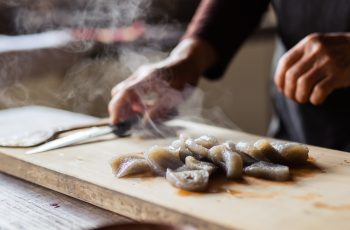
In modern times, konnyaku is a common and affordable food ingredient available in supermarkets, but in the past, it was customary for households in mountainous areas like the Tachibana region of Yame City to make konnyaku from scratch. The traditional method involved boiling and mashing konnyaku yam, mixing it with lye extracted from wood ash, and then heating it to solidify. Although wood ash is no longer used, there are experiences available where participants can learn how to make safe, handmade konnyaku under the guidance of local mothers.
Check out this local favorite, a down-to-earth Izakaya (Japanese pub). Their sashimi is particularly exceptional! You can also enjoy seasonal flavors such as Tokubire(sailfin poacher fish)and oysters. Don’t miss out on the soul food items like bone-in Zangi (fried chicken) & potato salad, and Satsuma-Age(Deep-fried fish paste) using minced cod from Sukesou. The Showa-era retro ambiance of the interior is charming, and we recommend the counter where you can chat with the master. As this is a popular spot, reservations are a must.
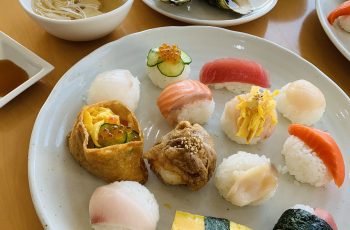
Experience the bounty of the Okhotsk Sea! If you want to enjoy seafood such as salmon, scallops, crabs, and oysters, sushi is highly recommended! Both local sushi restaurants and conveyor belt sushi places are great options to try!
Yoichi Wagyu is trademarked, A5 Wagyu beef made in Ohtawara, Tochigi. Touted as the “Home of great Wagyu Beef, Ohtawara’s wagyu beef is of the highest quality and full of umami.