


Day1
Location: Tsuruoka City, Yamagata Prefecture
Experience the cuisine and local culture at this UNESCO Creative City of Gastronomy.
Nestled among mountains, plains, rivers, and seas, Tsuruoka City is blessed with the bounty of each season. With over 60 varieties of native crops, including dadacha beans and Atsumi turnips, the city has kept these excellent seeds and crops as living cultural assets. This region also continues to carry on its unique food culture as well as family events and regional dishes closely linked to the spiritual culture of the Dewa Sanzan Mountains, including ascetic spiritual practices and Kurokawa Noh performances.
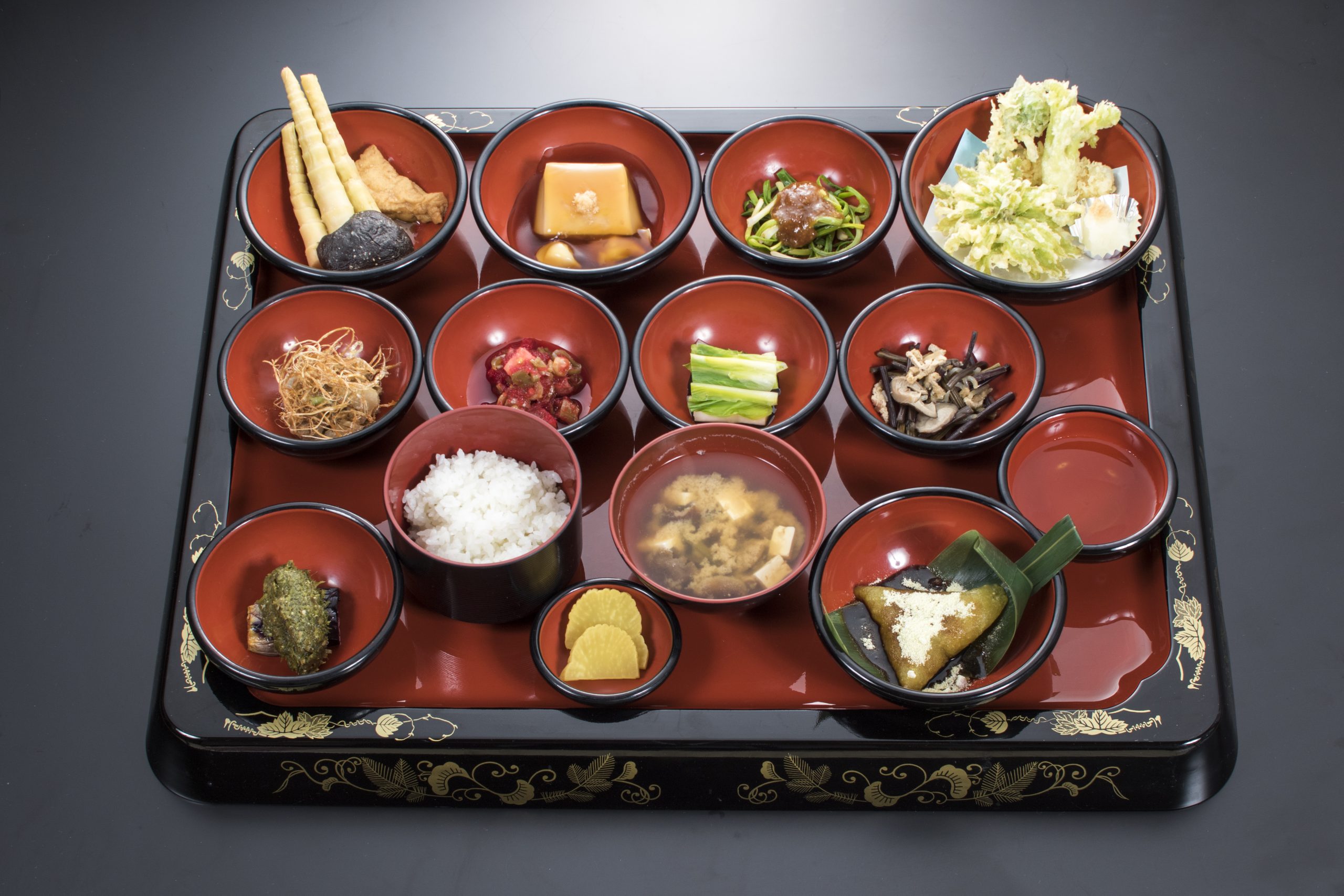
Shojin ryori (Buddhist vegetarian cuisine) has been passed down on Mt. Haguro since ancient times and is still served at the Ceremonial Hall. The master haiku poet Basho was entertained with this cuisine during his pilgrimage journey along the Narrow Road to the Deep North when he visited Dewa Sanzan (Three Mountains of Dewa). Using seasonal wild vegetables and bamboo shoots from the foothills of Dewa Sanzan, this exquisite dish preserves the unique traditions of Mt. Haguro. Dining in the sacred hall, enveloped in mystical silence, offers a truly exceptional experience.
Travel: About 5 min. on foot
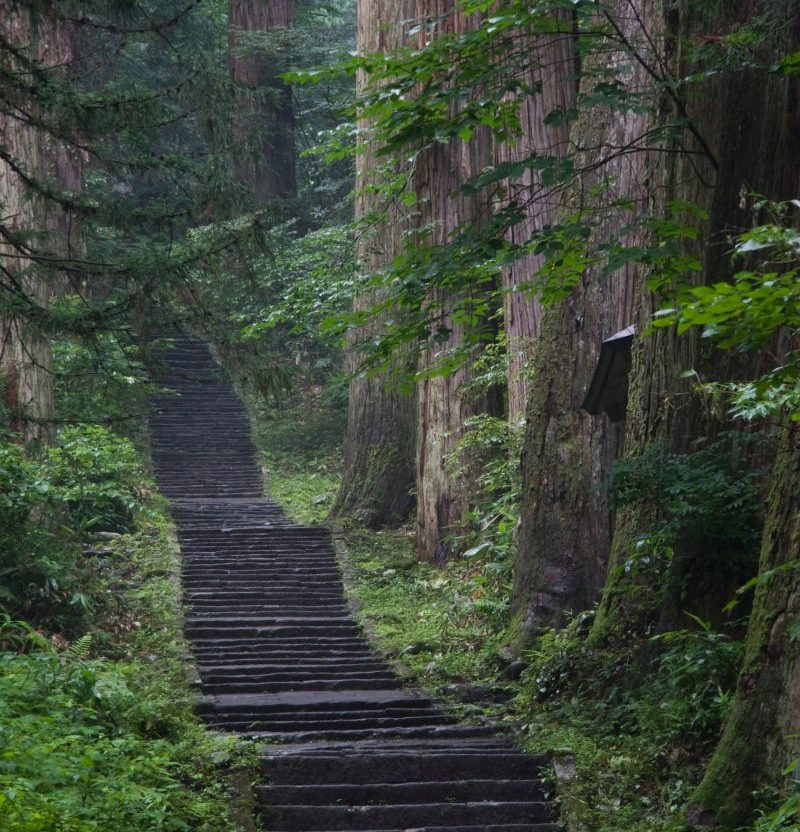
Climb the 2,446 stone steps leading from the Zuishin-mon Gate to the summit and see the National Treasure Five-Story Pagoda and other historical sites along the way. Reflect on the Haguro asceticism of the time and experience the beginning of your journey of rebirth on Mt. Haguro.
Travel: About 40 min. by car
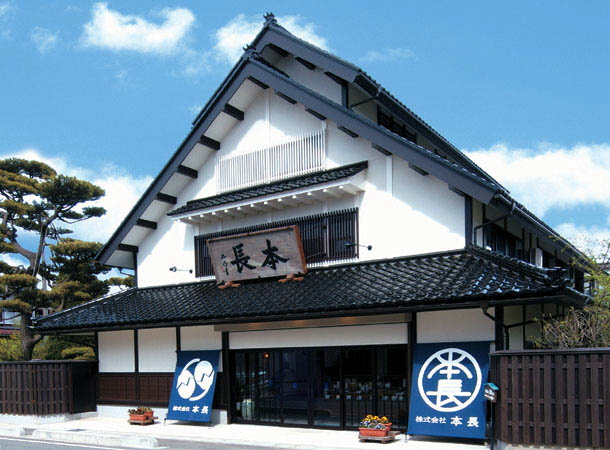
Tour the brewery of Honcho that has been making pickles with local vegetables and sake lees for over 100 years, adhering to the unchanged traditional methods.
Travel: About 15 min. by car
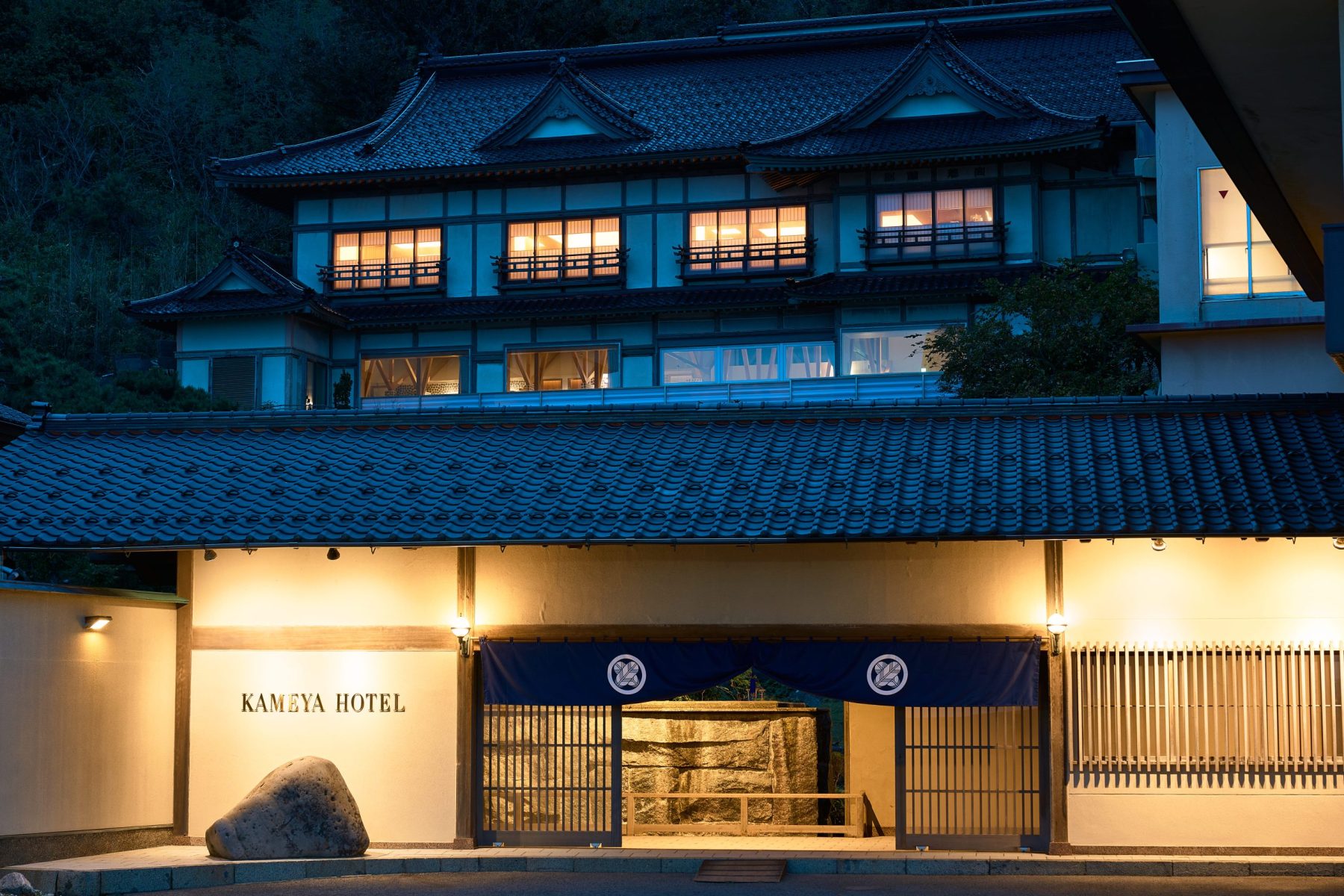
You can enjoy spectacular sunsets sinking into the horizon from every room. This exquisite gourmet inn showcases the rich seafood and mountain produce of the Shonai region.
Day2
Location: Ichinoseki City and Hiraizumi Town, Iwate Prefecture
Rice cake culture originated about 400 years ago during the feudal era, when the Date clan encouraged the practice of offering rice cake to the gods and Buddhas every month, praying for peace and protection from disaster. Since then, the custom of pounding and eating rice cake as a special occasion continues to thrive today, marking important milestones in life such as weddings, funerals, and New Year’s. Ichinoseki and Hiraizumi are rare places in Japan where you can experience the traditional rituals of eating rice cake.
Depart Kameya Hotel
Travel: About 4 hours by car
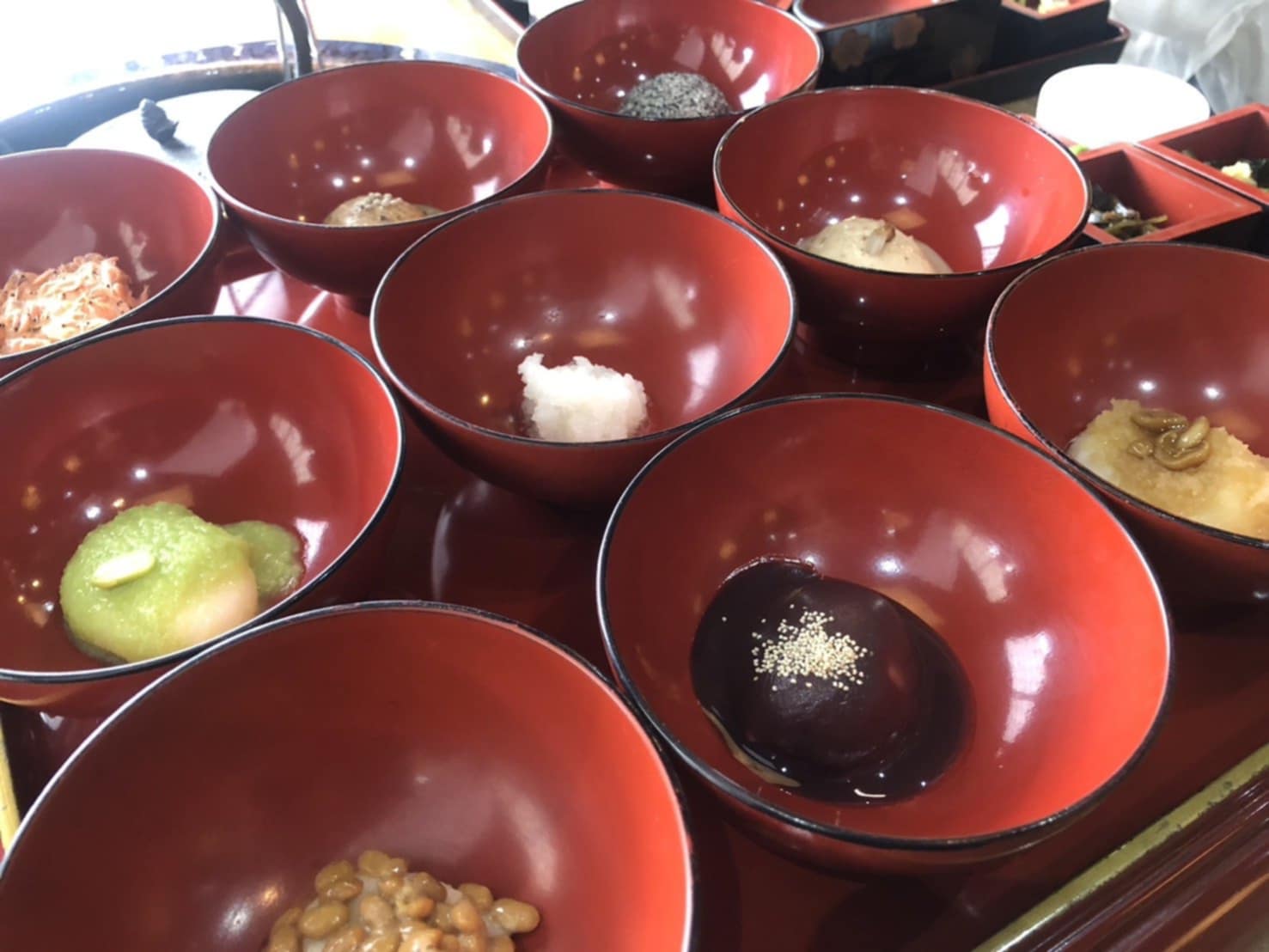
Enjoy a variety of dishes featuring mochi (rice cake), Ichinoseki’s local specialty.
Travel: About 25 min. by car
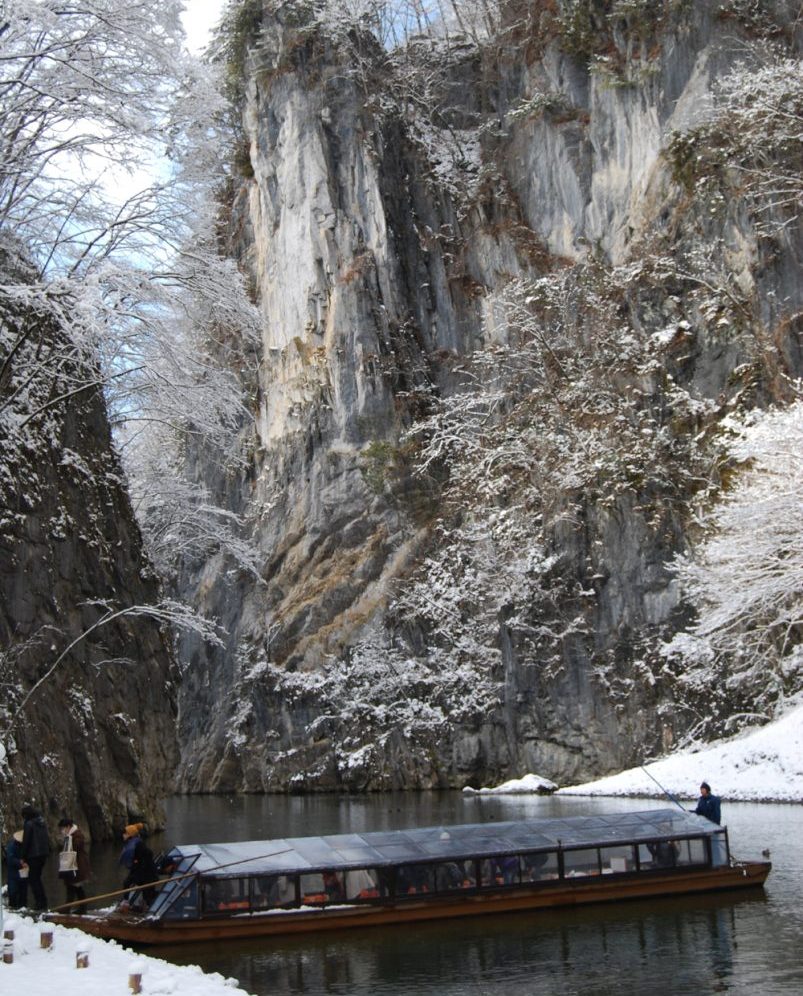
Enjoy a 2-km boat ride through Geibi Gorge, one of Japan’s 100 most scenic spots, with cliffs reaching about 100 meters high. The unusual rock formations that create the “world’s rarest scenery…” (a lyric in the folk song of Geibi Oiwake) sung by the boatman describing this scene are also a must-see.
Travel: About 30 min. by car
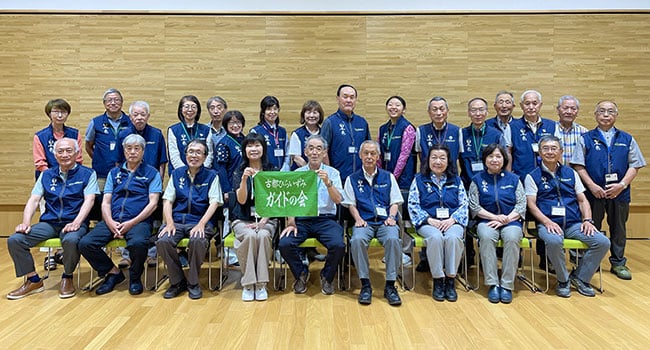
Tour the World Heritage Site of Chuson-ji Temple with a guide.
Travel: About 10 min. by car
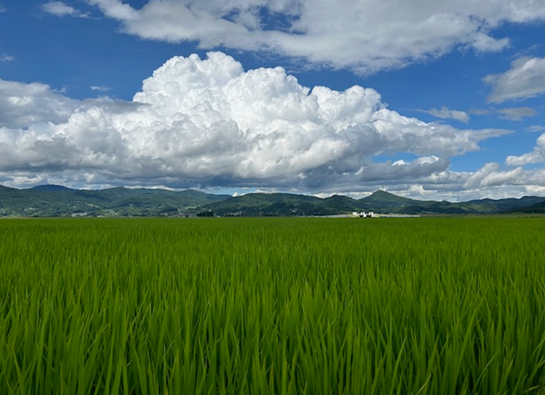
Visit the foothills of Mt. Tabashine, an area certified under the Disaster Risk-Dispersal Land Use System.
Travel: About 10 min. by car
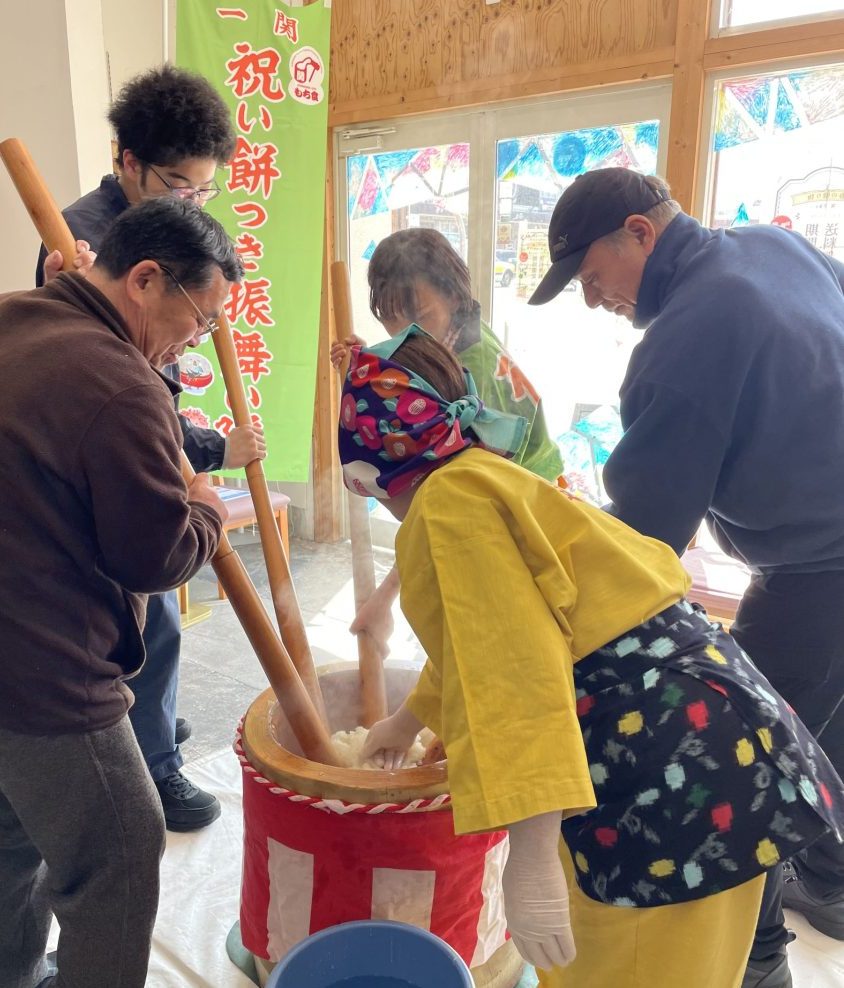
Rice cake cuisine in Ichinoseki and Hiraizumi has evolved in unique ways since the feudal era, with over 300 different ways of eating it. Starting with regional traditional rice cake dishes like incorporating red bean paste, walnuts, and smoked foods, you can enjoy a wide variety of rice cake dishes, including mochi pizza, mochi cabbage rolls, mochi spring rolls, and mochi parfaits.
Day3
Location: Aizuwakamatsu City, Fukushima Prefecture
Enjoy a traditional gottsuo in Samurai City: Gottsuo is a term from the Aizu region, referring to a feast for important guests.
Aizu has long been ruled by renowned military commanders as the backbone of the Tohoku region. Surrounded by mountains on all sides and blessed with abundant nature such as Lake Inawashiro and Mt. Bandai, Aizu still retains its beautiful old Japanese landscape and castle town. With a close connection to the community, Aizu cuisine and Aizu sake have nurtured a unique culinary culture in harmony with the rich natural environment of each season.
Depart Hiraizumi Hotel Musashibo
Travel: About 20 min. by car
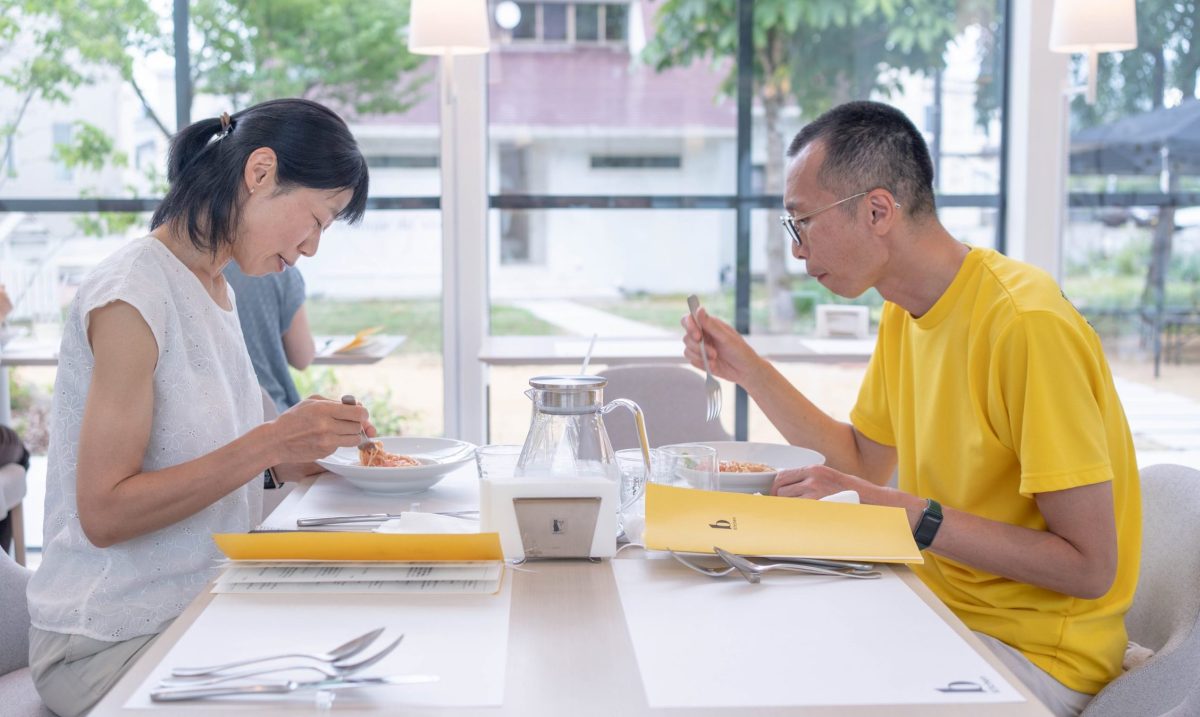
Aizu is a thriving beekeeping region. Enjoy a course lunch at a stylish garden cafe run directly by an apiary. The bee watching program, where you can learn about the ecology of honeybees is also recommended (reservations required).
Travel: About 30 min. by car
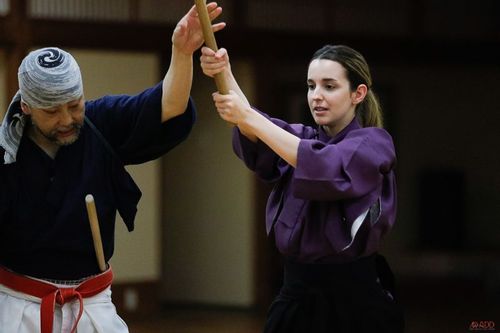
At the Aizu Kengi-do Dojo (sword technique martial arts gym) in Ookawaso, a scenic hotel along a mountain stream, where you can feel the grandeur of nature, learn the basics of samurai action, including fighting and stances used in sword fighting. You can also watch an original sword dance performance.
Travel: About 5 min. on foot
The terraced open-air bath along the valley, featuring natural spring water flowing directly from the source, enables guests to enjoy the changing seasons. Meals, generously featuring locally sourced ingredients and emphasizing seasonal Aizu produce, are also popular.
Day4
Location: Aizuwakamatsu City, Fukushima Prefecture
Depart Ookawaso
Travel: About 40 min. by car
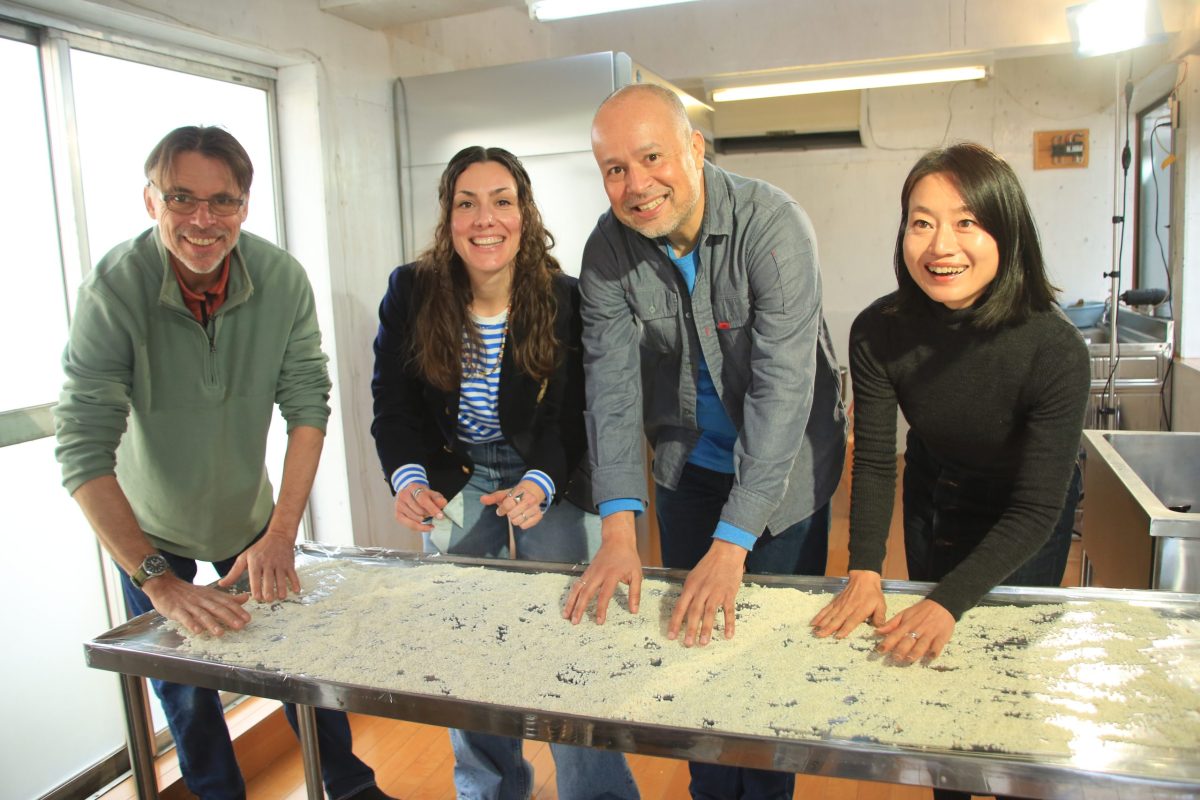
Bond Farm cultivates rice and sake using rice-duck farming. Experience nature through hands-on experiences like making your own rice bran compost and weeding the rice paddies. You can also enjoy an organic lunch in the farm storehouse.
Travel: About 3 min. on foot
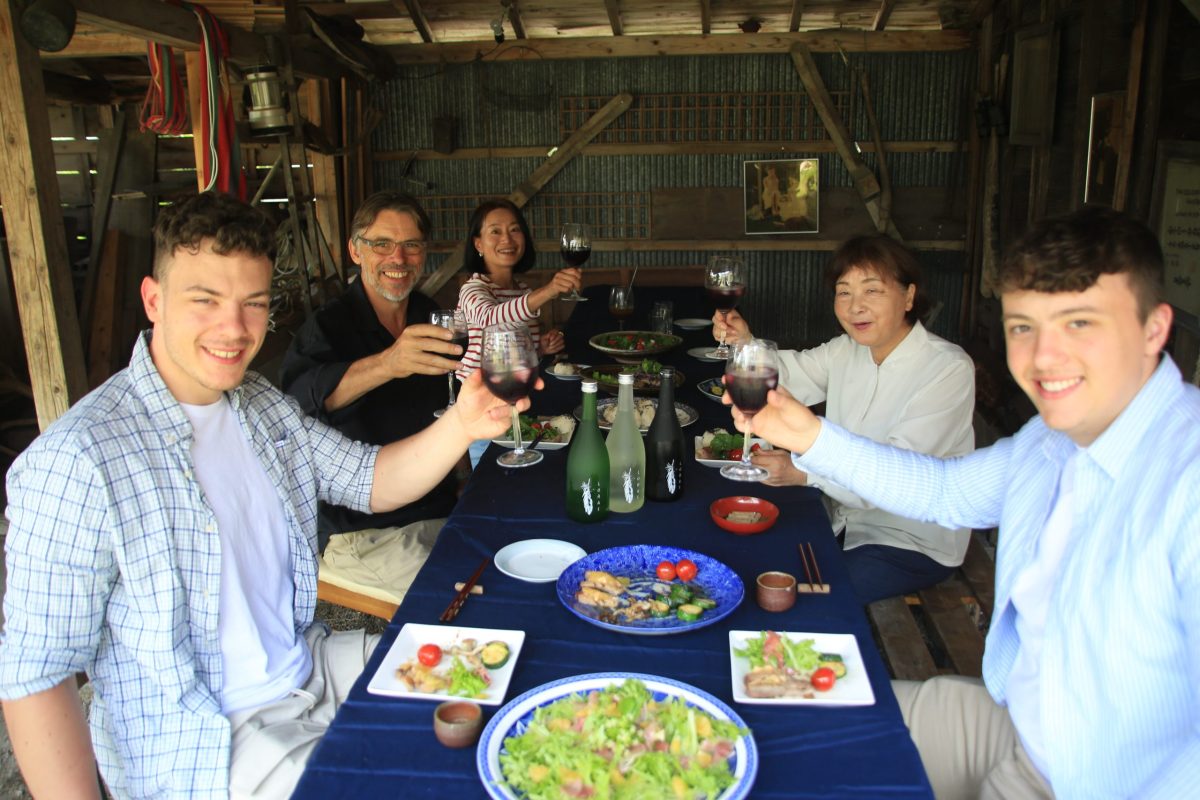
Bond Farm cultivates rice and sake using the Aiga-mo farming method. Enjoy an organic lunch in the farm’s warehouse while experiencing nature through activities like making handmade rice bran bokashi fertilizer or weeding in the rice paddies.